
A comprehensive first responder kit should contain the essential supplies and tools needed in emergencies. It should have a handle, shoulder strap, and two front and side pockets for storing personal items. It should contain basic first aid supplies and tools, including dressings, bandages, and CPR devices. The kit should also include a biohazard bag and gloves.
What Should Be in a First Responder Bag?
Medical kits vary greatly, depending on the situation’s needs, the training required, and the location. The number of potential casualties and the distance to definitive care will affect the medical equipment needed EMS Supply Companies. Some bags have removable compartments, which make packing easier. Some first aid kits include splinting equipment, while others double up on the circulation module.
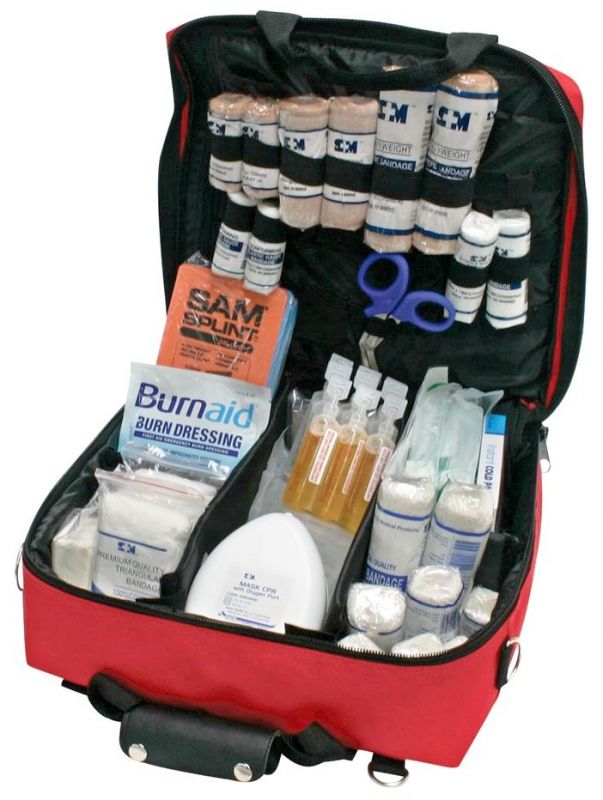
Personal medical bags for EMTs should include practical supplies such as non-powdered gloves, safety goggles, and plastic bags. The bag should also contain emergency medications such as oral glucose and epinephrine. The bag should be organized so the EMT can quickly access the needed supplies. Medical gloves protect the medics from infection and are essential for preparing for unexpected emergencies.
Tactical medical scenarios are high-stress situations that require prompt attention. Common scenarios include collapsed lungs, hemorrhages, airway obstructions, and emergency mental health issues. The bag should have enough medical equipment to stabilize a critically injured patient. It should also include other non-medical equipment, such as a radio, multi-tool, collapsible baton, radio, and eye protection.