
Rhythm is an essential aspect of most music. A rhythm is a repeated pattern of stressed and unstressed beats. Rhythms in a piece are generally grouped into two or three. A three-four time signature is one of western music’s most common time signatures. This is because the rhythm of a piece of music is naturally characterized by a sequence of stressed and unstressed beats. It is also essential to remember that not all beats are equal.
What is the Strongest Beat Called?
Rhythmic patterns are usually divided into two or three groups of beats. A three-four pattern means that the first and third beats in the measure are strong, and the second and fourth are weak. In some meters, the third beat is emphasized less than the first. Similarly, in 4/4, the second and fourth beats are weak. The strong beat of the 4/4 bar is usually the first quarter note.
triple meter
Another rhythmic pattern is called a triple meter. This pattern consists of five pulses per measure, with the second and fourth beats less accented than the first and third. In 4/4, the third beat is usually a medium-strength note. The last beat in a measure is a weak note.
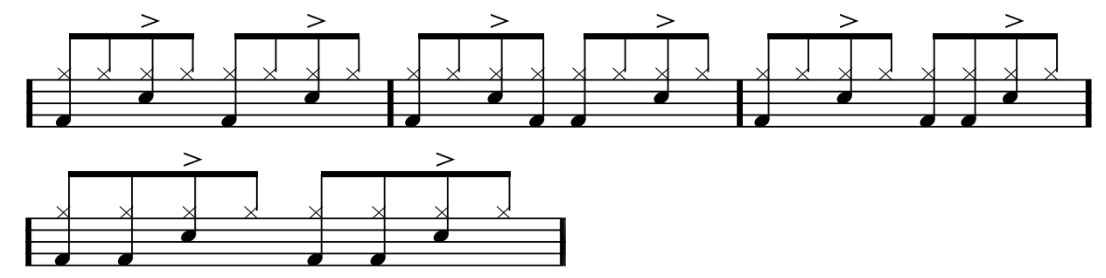
Rhythms can be divided into subdivisions
Rhythms can also be divided into subdivisions. The subdivisions are smaller than the main beats and are faster than the easy drum beats for beginners. The subdivisions are also considered to be multiple levels. The subdivisions are usually divided into quarter notes or eighth notes, alternating solid and weak beats. Rhythms can be further divided into simple and compound meters.
Time signatures give a sense of unity to a piece of music. An intense beat gives a reference point for the downbeat. It is also emphasized in most dance styles. Likewise, the first beat of a bar is usually the most accented beat. However, a song in four-four accentuates certain syllables on beat one.
strong and weak beats pattern
Most time, signatures are based on the strong and weak beats pattern. This is part of the duple meter and the triple meter. Rhythms with this pattern can be predictable. They are also known as click tracks. It is an essential element of music, as it helps the listener understand the pattern. It is also a valuable tool for identifying music.
offbeat syncopated rhythms
In addition, time signatures and meters are essential tools for musicians. They allow them to count pulses and count off beats, which is essential when music includes offbeat syncopated rhythms. It can also help musicians understand the notes on the page better. Rhythmic patterns with strong and weak beats also have accents. Rhythmic patterns that have accents are considered to be stronger and have more intensity than those that don’t.
When counting off beats, it is essential to remember that the first beat of a measure is the most emphasized but that the second and fourth beats are also emphasized in some pieces of music. The third beat is emphasized less than the first and fourth beats and is usually a medium-strength or strong note.