
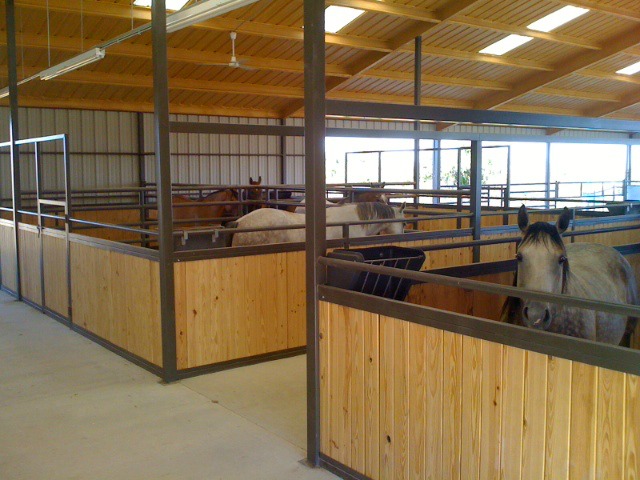
A stall’s floor is an important factor in a horse’s comfort and health. Flooring should be porous for drainage and odor control.
One option is to use pressure-treated lumber boards set on edge with a gap for urine drainage that are then filled and topped with a porous flooring material (clay, dirt or road base mix). This offers longevity but may require more bedding.
Flooring
When planning your horse barn or renovating an existing one, consider the type of flooring you will use in the stalls. The stall floor is the base layer that will determine how much bedding or other materials you need to use to make the stalls comfortable portable horse stalls. The most popular choice for stall floors is concrete, which is durable and easy to clean. However, it can be hard on horses’ legs and feet and is expensive to install. To reduce this problem, many stalls have a textured surface to increase traction.
Another popular option is asphalt, which is a bit easier on horses’ feet and can be made so that it drains well (although it can become slick over time). Some stalls have plastic grids as a subfloor. While they are quite costly, they provide a good level of cushion for the horse and prevent mud and urine from soaking through to the ground below.
Wood plank flooring is another option, although it is not as common anymore. It provides more cushion for the horse but can be slippery when wet, holds odors and is difficult to disinfect. It can also be easily damaged by a horse pawing at the edge of the stall or during feeding and watering. The gaps between the planks need to be filled with sand.
Bedding
Stall bedding is another thing that needs to be considered carefully. Horses that are in stalls for most of the day will require much more bedding than those that are turned out to pastures or arenas all of the time. Depending on how messy or clean your horses are and how much they drink and urinate, you may need to use a bedding material that is highly absorbent.
Many owners choose to use wood shavings for stall bedding. These are available in different types and grades; it is important to select a soft, dry material that is not too dusty. Many people also opt to use a type of straw like oil seed rape straw, which is completely dust-free. It is often treated with natural herb extracts to deodorize the stall and reduce ammonia levels. These are available in both bales and bags and can be stored easily in an area that is protected from rain, wind and sun.
Other bedding materials include sawdust, shredded bark and even wood chips. The key is to find a bedding that is soft and will absorb urine and manure quickly so the odors do not build up in the stall. Stall mats can be an excellent choice for stalls because the horses cannot dig down to the dirt base. This means that the stalls will be kept clean and the bedding will last longer.
Stall Doors
Stall doors are important as they help control the movement of horses while giving barn workers a clear view into each stall. They can also make it easier to clean, groom, and train horses as they are able to see where each horse is.
The best stall doors are sturdy and made from materials that can withstand horse paws. They should have a secure latch and hinges so that they can be easily closed when needed but still allow for a smooth, quick movement for the handler. Some people prefer sliding stall doors so that they can be left open to let in air and light while keeping the horse in the stall. Others like Dutch doors that swing open and close, or a solid gate that hinges so that it can be opened to the stall alley inside the barn.
There are many different flooring options for stalls, including dirt which is easy on a horse’s legs and simple for most barn owners to install themselves. Concrete is another popular option for its durability and ease of cleaning. A more expensive alternative is to use interlocking brick or pavers laid on a layer of crushed gravel. The floor of a stall should be slightly sloped to direct urine and water away from the stall and toward areas with more absorbing bedding material.
Hardware
Horse stalls must be built in a way that ensures proper drainage. Water should drain away from the stalls to minimize flooding and potential rot. Land grading is typically done before the building of the barn to achieve this goal, but even in existing buildings, it’s often possible to correct any drainage issues through a simple re-grading of the surrounding ground.
Stall partition height is important, especially if you’re using sliding doors for your stalls. The partition should be at or above horse wither height to prevent the horses from getting their legs over the wall and potentially injuring themselves. Stall walls should be strong enough to withstand horse kicking, but they should also be able to keep the horse inside the stall when being fed, cleaned or tended by a human.
Consider adding rubber stall mats to your stalls. These add to the horse’s comfort while keeping bedding materials from clogging the limestone stall floor. A well-bedded stall will absorb urine, lessening the chance of odors and helping to protect the flooring material layers.
Swing doors decrease aisle workspace, but can be latched open to alleviate this issue. Sliding door track components need to be heavy-duty to hold up to the horse’s pawing, leaning or kicking against them. We have a variety of high-quality sliding door track hardware supplies available to help you get the job done right!