
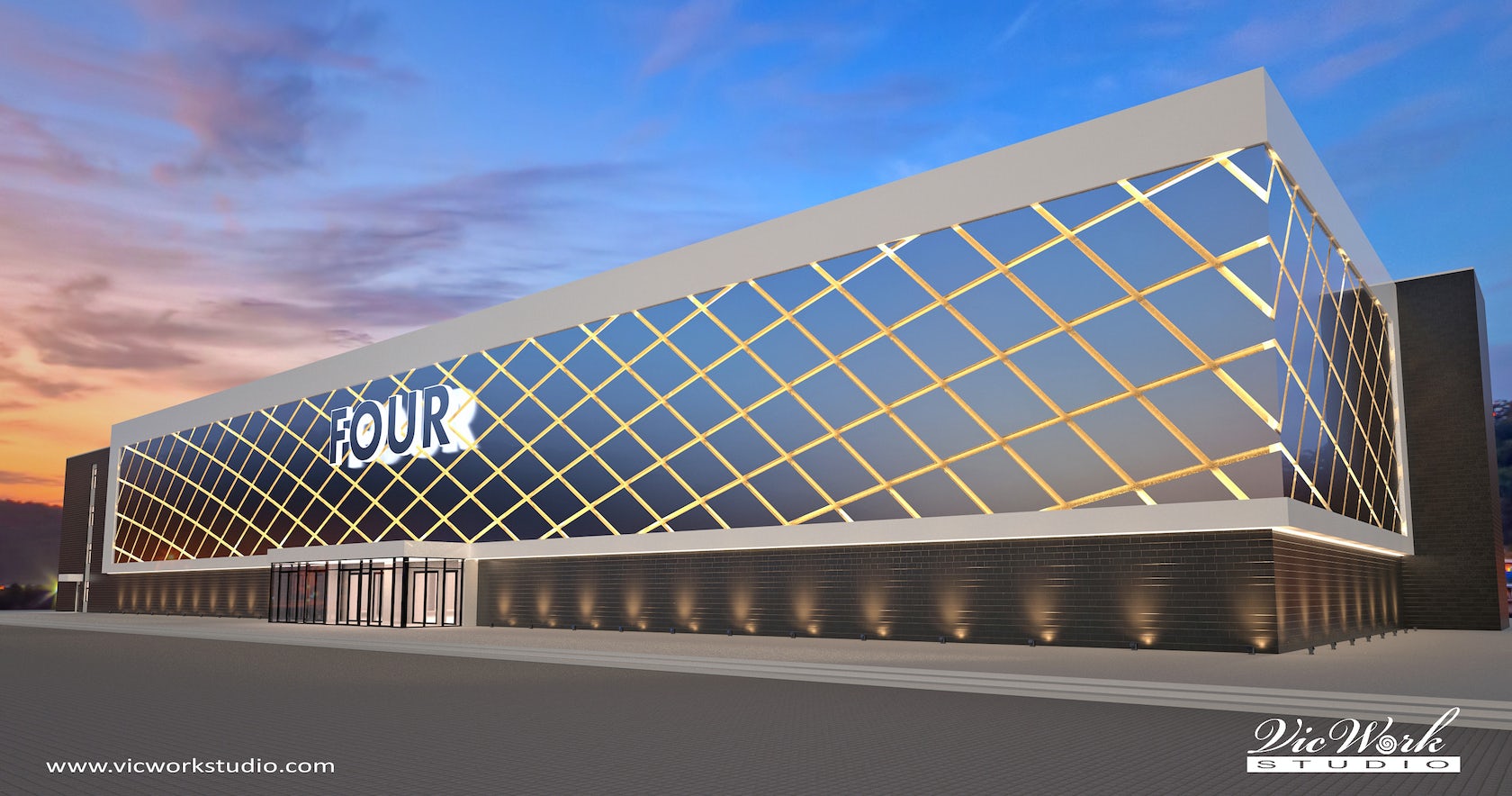
Facades add beauty to buildings, welcome tenants and impress passersby. But they also shield structural components from the elements and play a critical role in building performance. Regardless of whether a facade is load-bearing or non-load-bearing, damage to it can threaten safety, result in plummeting building value and expose the structure to liability.
What are the problems with facade?
Identifying the source of the problem is crucial for proper repair. In some cases, the issue can be found with a simple walk-through of the building’s industrial cladding supplier. But in other situations, the facade needs to be tested to determine what caused the deterioration.
Non-destructive testing methods like ground-penetrating radar (GPR), which can be used to “see” through the facade; sonar, able to detect water absorption in facade materials; and RILEM tubes, able to indicate the susceptibility of material to water damage are all effective tools for identifying problem areas.
Water leakage is a common concern, especially in older buildings. These leaks can be from through-the-window leaks — where external gaskets have lost their ability to seal between frames and glass; window perimeter leaks — where the window casing and frame corners are not properly designed and constructed; and window sash leaks, where water infiltration has accumulated in the window sash.
Many newer building facades use complex, high-performance materials that are designed to serve multiple functions and meet stringent energy performance requirements. Despite these demands, end-of-life recycling of the materials is not always considered, leaving the potential to recover significant quantities of embodied carbon in the waste stream unachieved.
To address this gap, this research aims to develop a disassembly assessment framework for facade systems that can evaluate the reclamation potential of materials after they have reached the end of their serviceable life.