
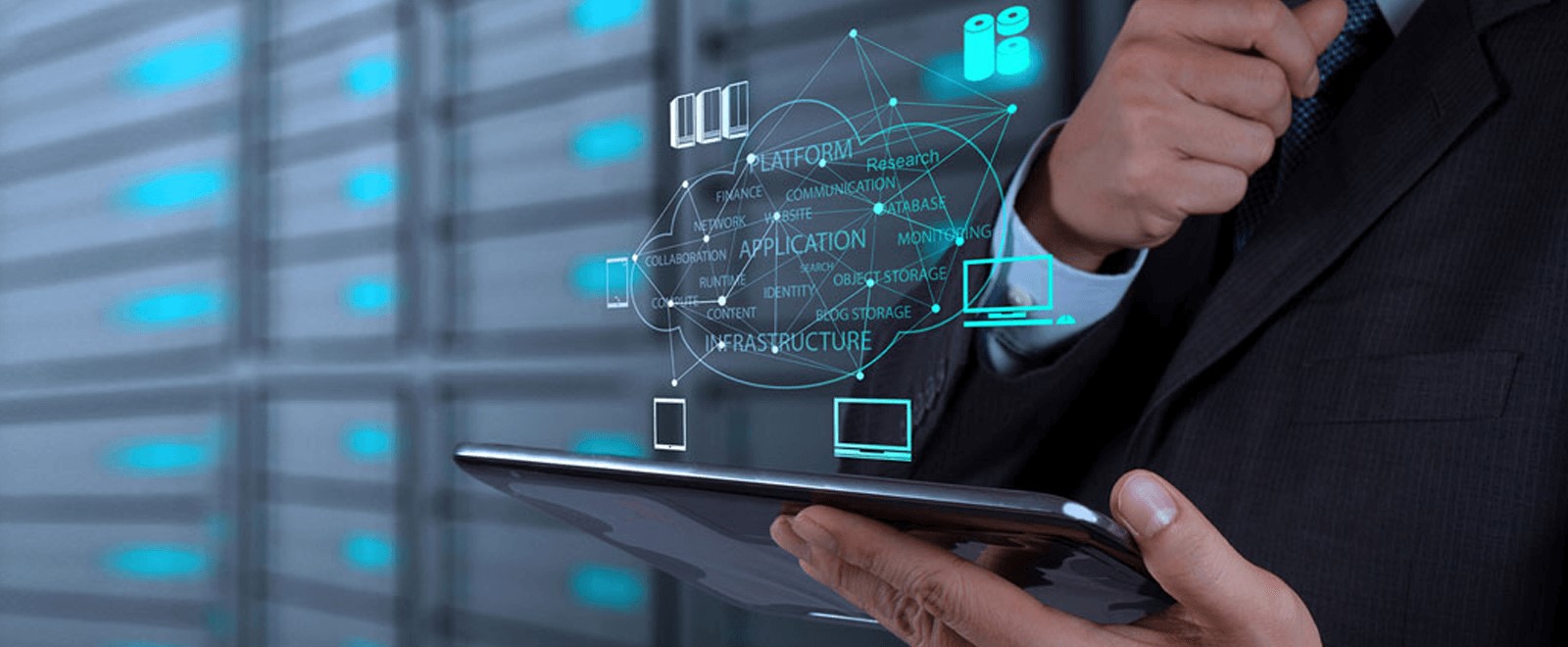
IT services are a variety of computer-related support services that businesses can use to meet their information technology needs. These include network infrastructure, data storage and security, help desk, and more.
Some IT services include software development processes to create custom applications for specific business needs. These can range from software that organizes customer and employee information to a cloud platform for delivering software as a service (SaaS).
Networking
Networking services are those that involve linking computers so that they can share data. This includes sharing files, printers, and applications to connect users, managed it services Newcastle and collaborate more effectively.
These services can be used to reduce the number of IT staff and help IT departments focus on other important business functions. Additionally, they can provide a reliable, scalable infrastructure that supports growth and allows for disaster recovery.
In addition, networking services enable organizations to manage remote workers and deliver cloud applications with a secure, reliable connection. This can improve productivity, lower costs, and maximize the value of edge intelligence.
In addition to connectivity, networking services also include security, application delivery, and network monitoring. These capabilities are critical for any organization that relies on a broad range of devices and apps. They can ease the complexity of remote and hybrid work, maximize the value of edge intelligence, and tighten security to protect people and data.
Security
Security is one of the most common types of IT services, focusing on protecting businesses from malware intrusions and other threats. These services can be in the form of anti-virus software and/or monitoring.
Another type of security service involves network management. This is a vital service for businesses that rely on their internet connection to work and also have an internal network, as it helps prevent security breaches from happening.
A security service provider can help keep your networks secure by monitoring them around the clock. This is especially important for businesses that use payment systems and have remote employees.
The service provider will monitor your networks and alert you to any issues that may arise, such as hackers or phishing scams. This is a cost-effective way to safeguard your business from security threats. It can also help reduce your staffing costs.
Help desk
Help desk services are IT support solutions that offer answers to customers’ technical questions and issues. These services are provided by organizations of all sizes and types, from small consumer-facing businesses to multinational technology vendors.
A help desk accepts customer requests submitted via email, phone or messaging apps. These requests are then handled by a team of technicians, who provide a solution to the problem as soon as possible.
In a time-challenged world, customers and employees expect fast, seamless help experiences that make them feel valued. A great help experience can drive loyalty and keep employees happy as well, which is vital for growing your business.
A help desk software application can streamline customer intake and keep all inquiries in one unified location. This allows support teams to quickly prioritize and assign tickets to reps, so they can work efficiently and resolve issues faster.
Cloud computing
Every business needs IT, but not all IT services are created equal. The right IT solution for your needs depends on your product or service, compliance requirements and cybersecurity needs.
Cloud computing offers on-demand availability of computer systems’ resources over the internet. This eliminates the need for businesses to procure, configure or manage their own infrastructure.
There are three types of cloud computing services: infrastructure as a service (IaaS), platform as a service (PaaS) and software as a service (SaaS).
The IaaS model is characterized by on-demand access to compute, storage, and network infrastructure. It is most similar to traditional on-premises IT resources and provides the highest level of control for organizations.
PaaS, on the other hand, is a development environment that allows organizations to focus on application deployment rather than management of the underlying IT infrastructure. This allows them to free up their IT staff for other duties and to focus on core business functions.