
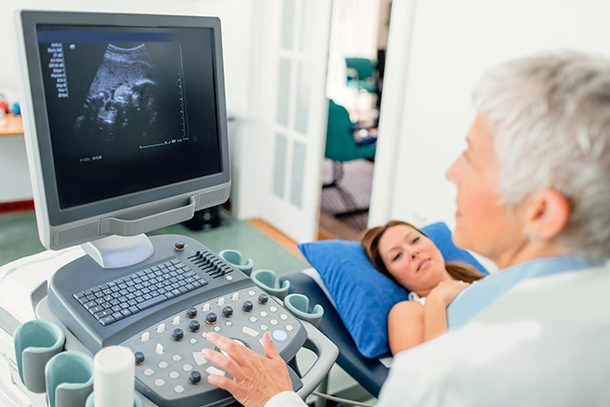
Ultrasounds are safe and non-invasive ways to check on your baby’s health. They’re also very reassuring for many women.
When will you get an ultrasound?
You’ll typically have two scans during your pregnancy – an early pregnancy dating scan and a mid-pregnancy anomaly scan. They’ll help confirm your pregnancy, detect any problems in your baby, and identify the gender.
When does an ultrasound determine sex?
You won’t see your baby’s sex on an ultrasound until about 18 to 20 weeks pregnant. Your doctor will ask if you want to know before the scan and it’s important to make sure you have your say.
How are ultrasounds carried out?
A sonographer will put a small amount of gel on your tummy and move a hand-held device (transducer) over your skin to pick up images of your pregnancy scan belfast. The echoes of these sound waves will be turned into an image on the screen that shows your baby’s position and movements.
What do I need to bring with me for an ultrasound?
The first scan, which is called a dating ultrasound, is usually given between 10 to 14 weeks of pregnancy in England. This scan is used to verify that you’re pregnant, detect any abnormalities in your baby, and help your provider calculate the due date.
What are the different types of ultrasounds?
You’ll be offered a nuchal translucency scan (NT) during your early pregnancy dating scan to determine your baby’s risk of Down’s syndrome. These are performed transabdominally from 11 to 14 weeks and include measurements of NT thickness, nasal bone, blood flow through your baby’s heart and any abnormalities that may be present. These are normally provided free of charge on the NHS but you can pay to have them done privately if your provider thinks it’s necessary.